-
 Call Us +86 18013880269
 -
 Email Us trb@njbaitong.cn



How to Improve IV Loss in Recycled PET: Chain Extender Solutions for rPET Processing
Recycled PET (rPET) is widely used in pelletizing, fiber, sheet, strap, injection molding and other polyester processing applications. But during collection, washing, drying and repeated melt processing, PET molecular chains can be shortened by hydrolysis, thermal degradation and shear. The result is a lower intrinsic viscosity (IV), weaker melt strength and a narrower processing window.
For many recyclers and compounders, the practical question is simple: how can the IV of recycled PET be restored during extrusion without adding unnecessary process complexity?
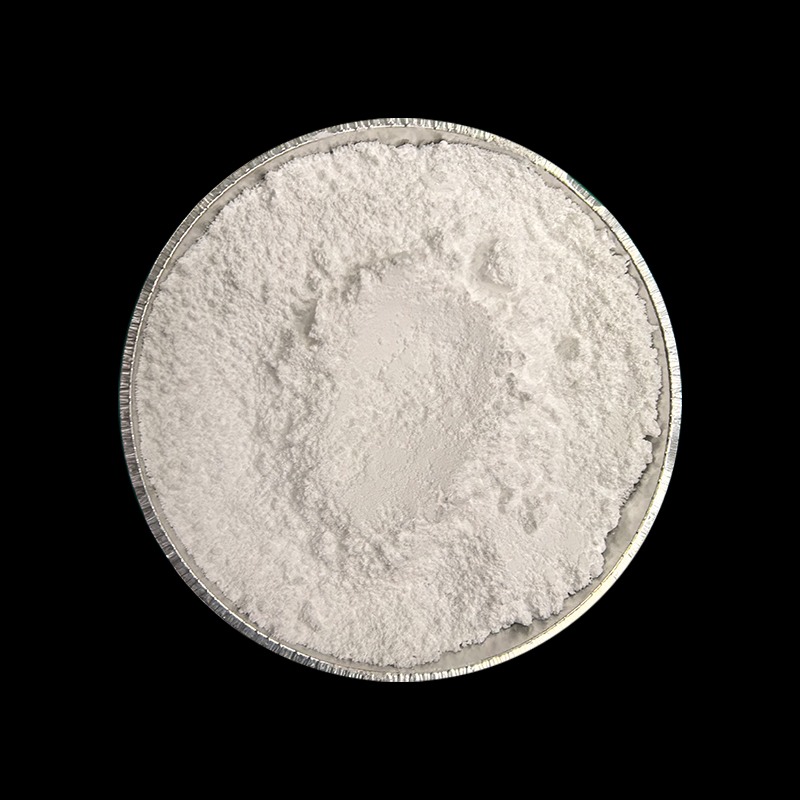
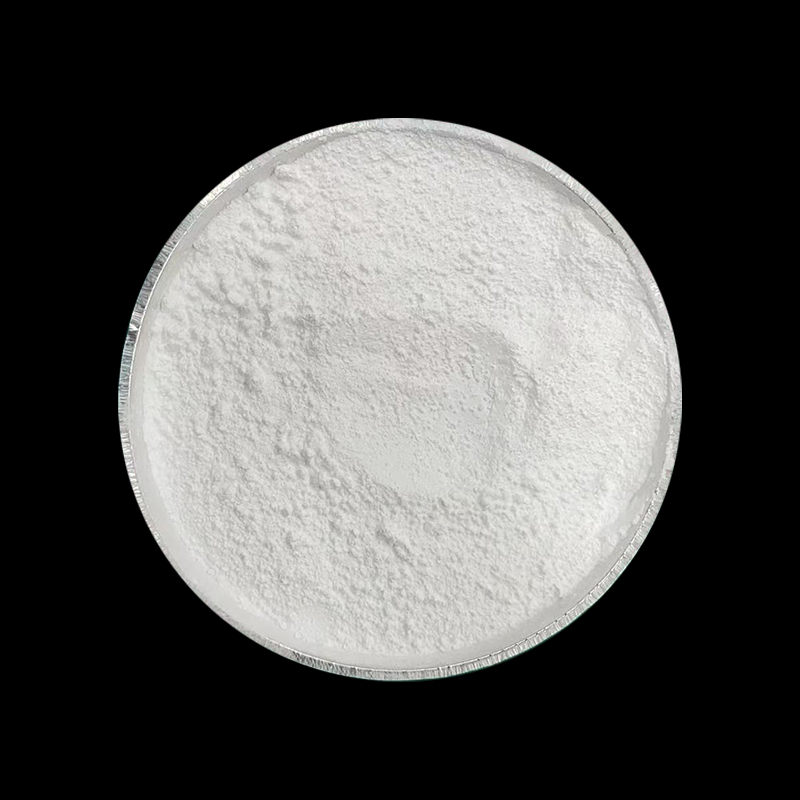
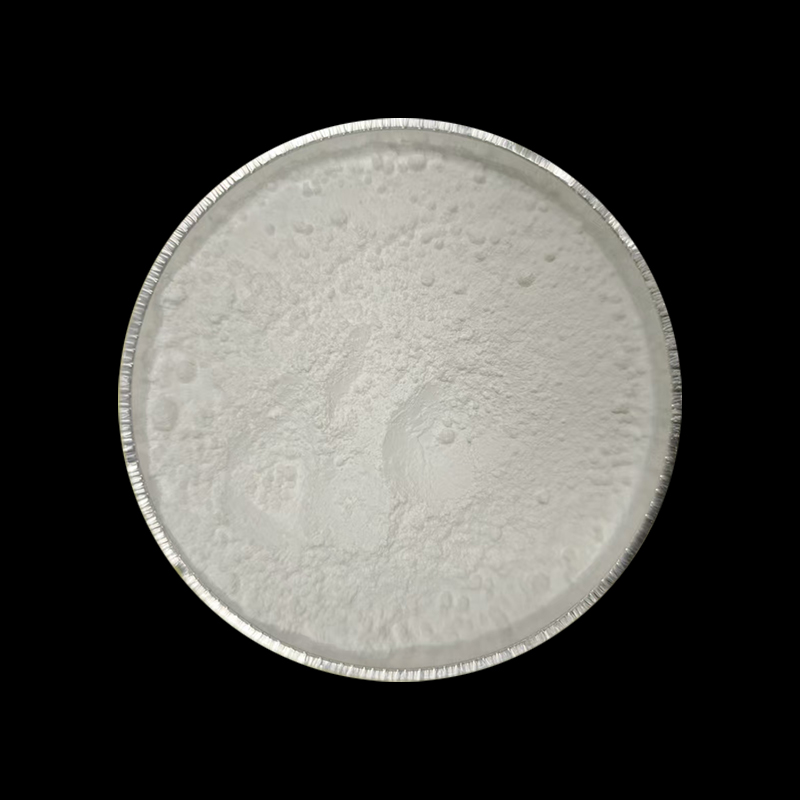
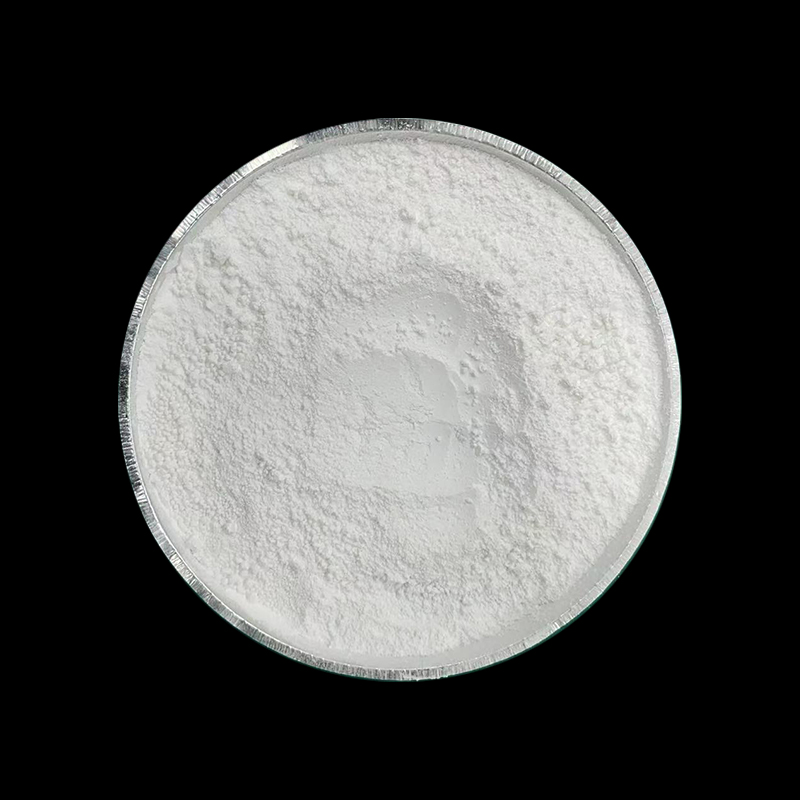
BTCE-2013 is designed for this problem. It is a reactive chain extender for PET and other polyester systems, helping reconnect degraded molecular chains during melt processing, increase molecular weight, improve IV and support more stable extrusion.
PET is sensitive to moisture and thermal history. Even small amounts of residual water can accelerate hydrolysis at processing temperatures. In recycling streams, IV loss is often caused by a combination of:
When IV drops, processors may see unstable strand extrusion, weaker melt strength, lower mechanical performance, more brittle products, and greater variation between production batches.
A reactive chain extender works inside the melt. Functional groups react with PET chain ends and help rebuild molecular weight. In production terms, this can support:
BTCE-2013 is the main chain-extension component in this solution. For applications where moisture sensitivity or long-term hydrolysis resistance is also important, BTPW-2 and BTWR-500 can be considered as supporting additives.
In a customer-side 65 mm extrusion trial, PET bottle flake and high-clean PET pellets were processed with different chain extender systems. The trial used dual vacuum sections with a vacuum level around -0.085 MPa. Under the tested conditions, the 1# chain extender did not show a clear IV-building effect, while BTCE-2013 showed significant IV improvement.
| Formula | Screw speed | Feeding rate | IV result |
|---|---|---|---|
| PET bottle flake, original material | - | - | 0.874 / 0.846 dL/g |
| PET bottle flake + 0.6% 1# chain extender | 300 rpm | 8 Hz | 0.684 dL/g |
| PET bottle flake + 0.8% 1# chain extender | 300 rpm | 8 Hz | 0.684 dL/g |
| PET bottle flake + 1.0% 1# chain extender | 300 rpm | 8 Hz | 0.653 dL/g |
| PET bottle flake + 0.4% BTCE-2013 | 200 rpm | 8 Hz | 0.906 dL/g |
| PET bottle flake + 0.6% BTCE-2013 | 200 rpm | 8 Hz | 0.912 dL/g |
| PET bottle flake + 0.7% BTCE-2013 | 200 rpm | 8 Hz | 0.949 dL/g |
| PET bottle flake + 0.8% BTCE-2013 | 200 rpm | 8 Hz | 0.989 / 0.99 dL/g |
| PET bottle flake + 0.9% BTCE-2013 | 200 rpm | 8 Hz | 0.947 dL/g |
| PET bottle flake + 1.0% BTCE-2013 | 200 rpm | 8 Hz | 0.930 dL/g |
In this trial, 0.8% BTCE-2013 delivered the highest measured IV, reaching approximately 0.99 dL/g. This indicates strong chain-extension performance and meaningful recovery of melt-processing capability.
The data also shows that dosage and processing conditions both matter. A higher additive level does not always mean a higher IV result. Drying, screw speed, residence time, vacuum efficiency and dispersion all influence the final performance.
| Formula | Screw speed | Feeding rate | IV result |
|---|---|---|---|
| High-clean PET pellet, original material | - | - | 0.682 dL/g |
| High-clean PET pellet + 0.6% 1# chain extender | 300 rpm | 4 Hz | 0.696 dL/g |
| High-clean PET pellet + 0.8% 1# chain extender | 300 rpm | 4 Hz | 0.715 dL/g |
| High-clean PET pellet + 1.0% 1# chain extender | 300 rpm | 4 Hz | 0.719 dL/g |
| High-clean PET pellet + 0.4% BTCE-2013 | 300 rpm | 6 Hz | 0.762 dL/g |
| High-clean PET pellet + 0.6% BTCE-2013 | 300 rpm | 6 Hz | 0.797 dL/g |
| High-clean PET pellet + 0.7% BTCE-2013 | 300 rpm | 6 Hz | 0.826 dL/g |
| High-clean PET pellet + 0.8% BTCE-2013 | 300 rpm | 6 Hz | 0.870 dL/g |
| High-clean PET pellet + 0.9% BTCE-2013 | 300 rpm | 6 Hz | 0.909 dL/g |
| High-clean PET pellet + 1.0% BTCE-2013 | 300 rpm | 6 Hz | 0.854 dL/g |
For high-clean PET pellets, BTCE-2013 also increased IV from 0.682 dL/g to a maximum of 0.909 dL/g under the tested conditions.
For rPET processing, IV recovery is usually the first priority, but not the only one. Moisture sensitivity and hydrolysis resistance also influence long-term processing stability and product performance.
| Product | Main role in rPET processing | Where it fits |
|---|---|---|
| BTCE-2013 | Reactive chain extension, IV recovery and melt strength improvement | Main additive for PET bottle flake recycling, rPET pelletizing, PET sheet, fiber, strap and injection molding |
| BTPW-2 | Hydrophobic modification and moisture-sensitivity reduction | Supporting additive where moisture control, surface behavior or interface stability is important |
| BTWR-500 | Anti-hydrolysis stabilization | Supporting additive for applications exposed to heat, humidity, long service life or stricter durability requirements |
This does not mean every formulation needs all three products. In many rPET applications, BTCE-2013 is the core solution. BTPW-2 and BTWR-500 are selected when the application requires additional moisture-management or hydrolysis-resistance performance.
BTCE-2013 can be considered for a wide range of PET recycling and polyester modification processes, including:
To get consistent chain-extension performance, processors should pay attention to:
Recycled PET often loses IV because of hydrolysis, thermal history and chain scission. A reactive chain extender such as BTCE-2013 can help rebuild molecular weight during extrusion and improve processing stability.
In the extrusion trial described above, BTCE-2013 increased PET bottle flake IV to approximately 0.99 dL/g under the tested conditions and also improved the IV of high-clean PET pellets. For recyclers, compounders and PET processors, this provides a practical route to improve rPET value and expand application possibilities.
For formulation design, BTCE-2013 can be used as the main IV-recovery additive, while BTPW-2 and BTWR-500 can be selected as supporting additives when moisture sensitivity or hydrolysis resistance needs to be further improved.
 +86 18013880269
 trb@njbaitong.cn
 Nanjing Baitong New Material Co., Ltd.
 IPv6 network supported
Blog
| Sitemap
| XML
| Privacy Policy
IPv6 network supported
Blog
| Sitemap
| XML
| Privacy Policy