-
 Call Us +86 18013880269
 -
 Email Us trb@njbaitong.cn



How Chain Extenders Improve PLA Melt Strength and Processing Stability
PLA is widely used in films, sheets, foams, fibers, nonwovens, injection molding, thermoforming and 3D printing. However, many PLA processors face the same challenge: when molecular weight is not high enough, or when PLA is exposed to moisture and heat during processing, the melt can become weak, unstable and difficult to control.
For applications that require stable extrusion, foaming, film formation or dimensional consistency, chain extenders can help improve PLA melt strength by reacting with active end groups and repairing polymer chains during processing.
TIDEMIX/Baitong Materials offers two chain-extender solutions for PLA processing:
PLA processing stability is closely related to molecular weight, moisture control and melt viscosity. In practical production, insufficient melt strength may appear as:
These problems are often more obvious in recycled PLA, high-MFI PLA, dried-but-aged PLA, PLA/PBAT blends and high-speed processing lines.
Epoxy-functional chain extenders can react with carboxyl and hydroxyl end groups in PLA and other polyester-based materials. This reaction can increase molecular weight, reduce melt flow index and improve melt strength.
In processing terms, this usually means:
The actual result depends on resin grade, moisture level, processing temperature, residence time, screw design and additive dosage.
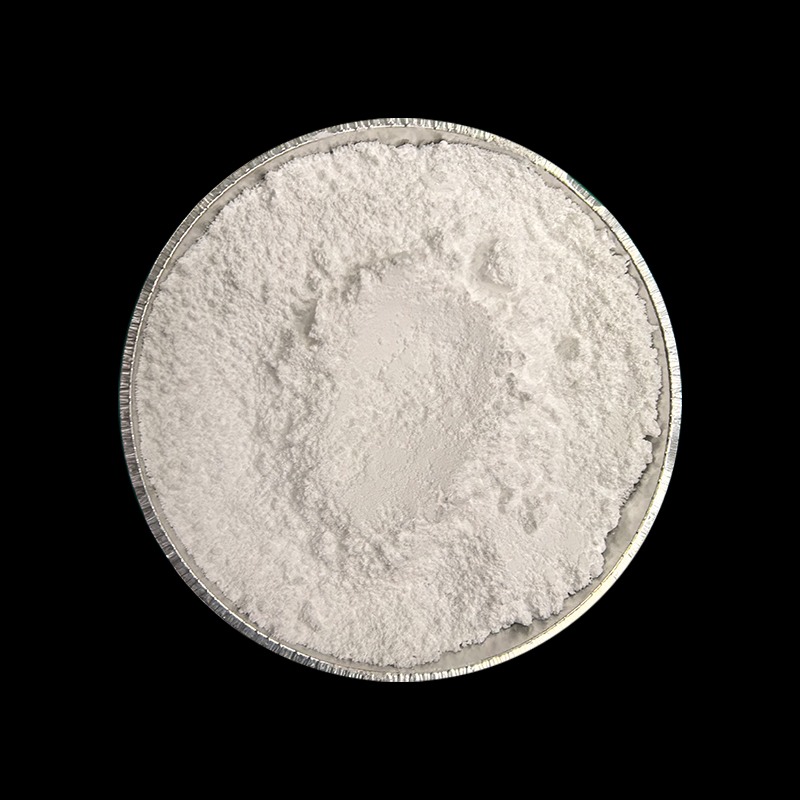
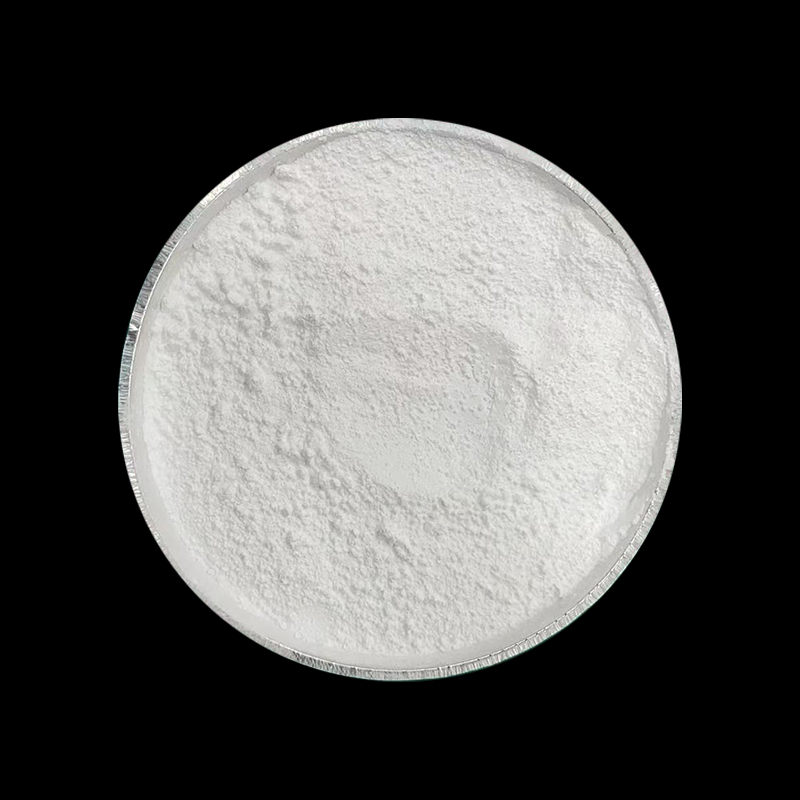
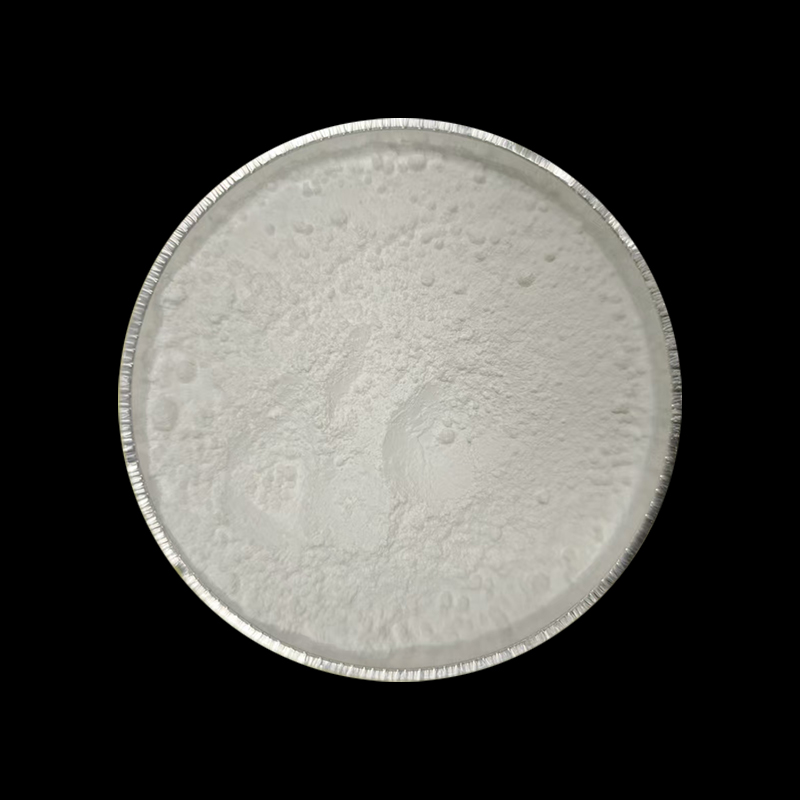
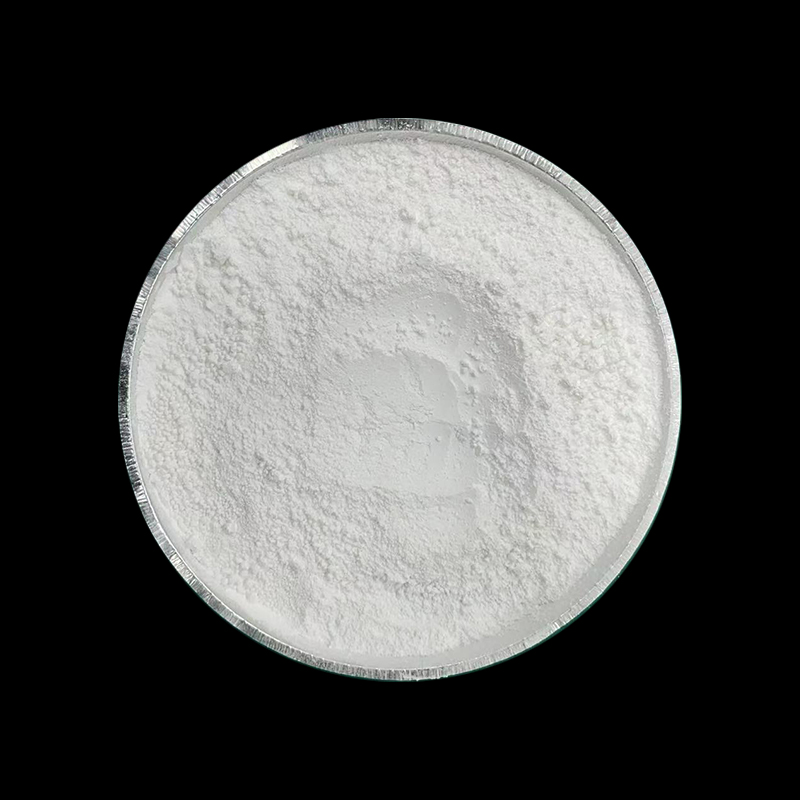
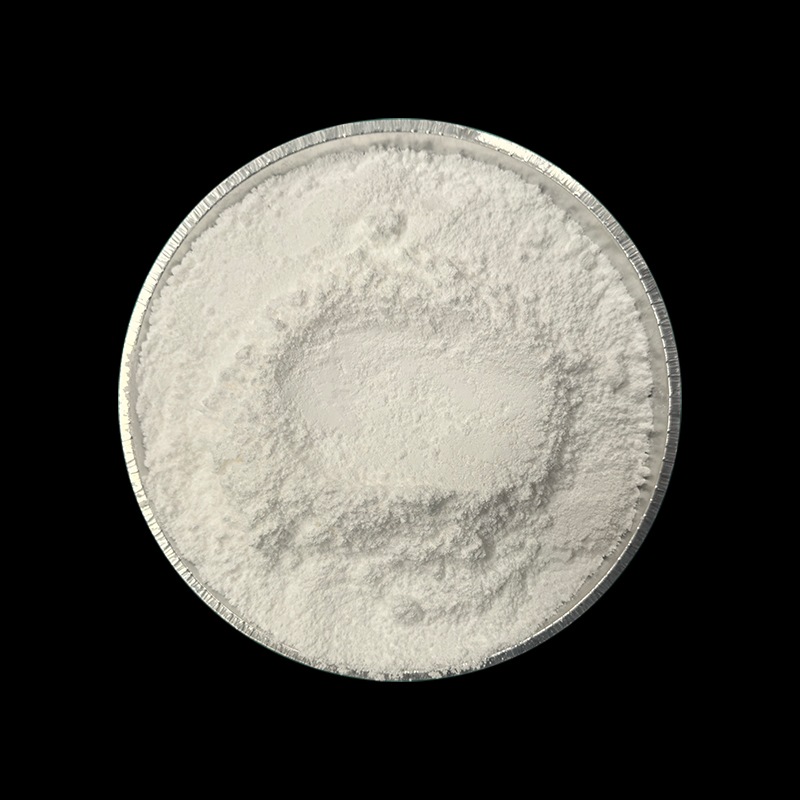
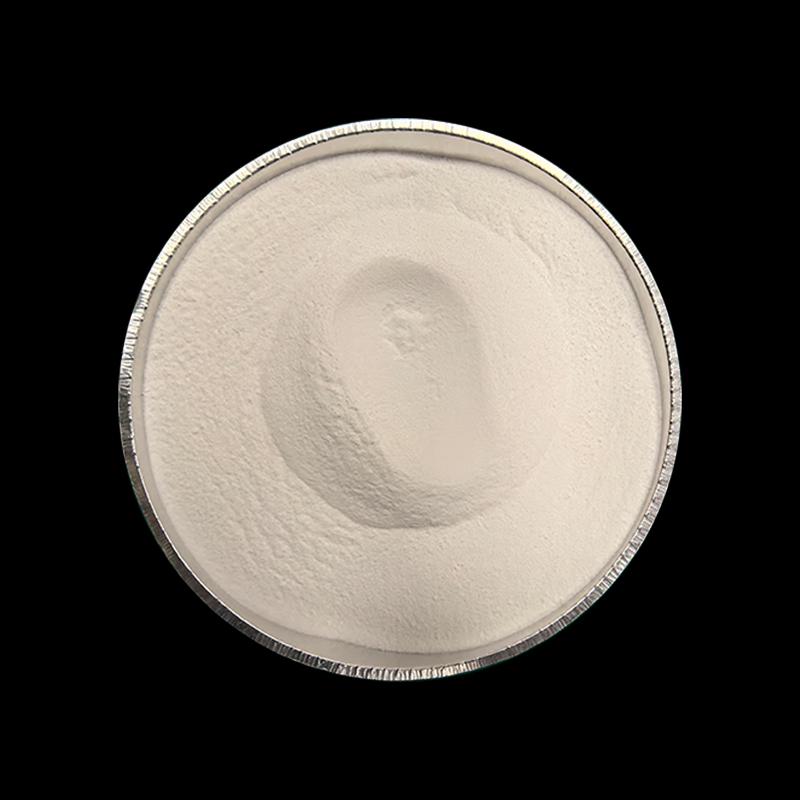
BTCE-9013 is an epoxy-functional chain extender for polycondensates and engineering plastics. According to the TDS, it is used to increase molecular weight, improve processing stability and support performance recovery in recycled materials.
| Item | BTCE-9013 |
|---|---|
| Product type | Epoxy chain extender |
| Appearance | White powder or granules |
| Epoxy equivalent | 280-310 g/mol |
| Melting point | 75-90°C |
| Molecular weight | 6500-7200 |
| Typical applications | PLA, PBAT, PET, PBT, PC and related processing or recycling applications |
| Packaging | 20 kg per bag |
BTCE-9013 is suitable when the processor wants a high-efficiency chain extender for direct formulation adjustment, recycled material recovery or polyester modification.
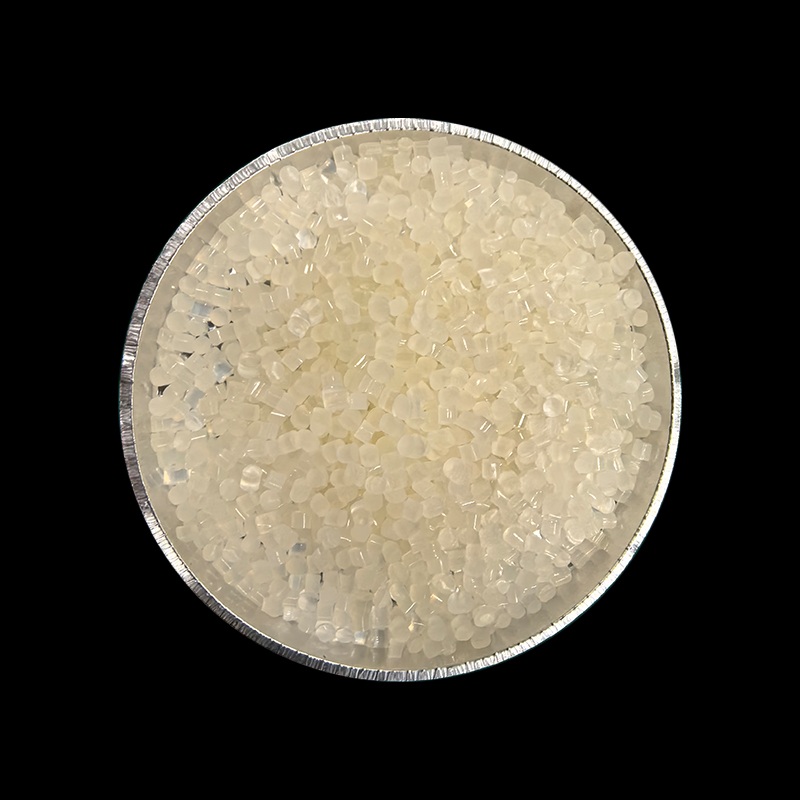
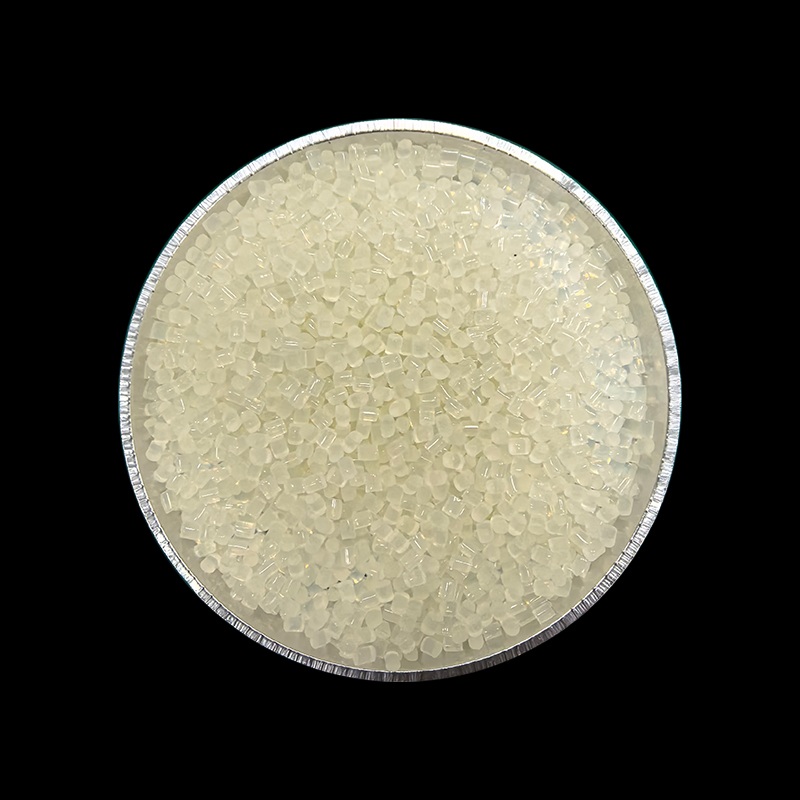
BTM-9219 is a PLA-based chain extender masterbatch for films, foams, fibers, nonwovens, injection molding, thermoforming and 3D printing. It is designed to repair PLA molecular chains and improve melt strength, hydrolysis stability and mechanical performance.
Compared with powder-form additives, BTM-9219 offers practical handling advantages:
| Item | BTM-9219 |
|---|---|
| Product type | PLA chain extender masterbatch |
| Appearance | Transparent / white pellets |
| Recommended dosage | Based on resin: 1-8 phr |
| Volatile content, 105°C | ≤0.8% |
| Typical applications | PLA films, foams, fibers, nonwovens, injection molding, thermoforming and 3D printing |
| Packaging | 20 kg per bag |
BTM-9219 is suitable when a customer needs a safer, cleaner and easier-to-feed chain extender solution, especially in pellet-processing environments.
Chain extenders can be considered in many PLA processing routes:
| PLA Processing Scenario | Common Challenge | Chain Extender Benefit |
|---|---|---|
| PLA sheet extrusion | unstable melt, uneven sheet formation | improves melt viscosity and processing stability |
| PLA thermoforming | sagging and poor shape retention | improves melt strength and forming window |
| PLA film extrusion | bubble instability or poor drawability | supports melt stability and film formation |
| PLA foaming | weak cell structure or cell collapse | improves melt strength for foam structure control |
| PLA fiber spinning | filament breakage and unstable drawing | improves chain integrity and drawability |
| PLA nonwovens | inconsistent web formation | supports stable melt flow and processing |
| PLA injection molding | property loss after processing | helps maintain molecular weight and performance |
| PLA 3D printing filament | inconsistent extrusion and filament breakage | improves melt stability and material consistency |
| Recycled PLA | molecular-weight loss and high MFI | supports chain repair and viscosity recovery |
| PLA/PBAT blends | viscosity mismatch and processing instability | improves melt interaction and processing window |
The following data was supplied from internal comparative testing. It shows the melt flow index trend before and after aging under 85°C/85%RH for 24 h.
| Sample | Additive Condition | Melt Flow Index | MFI after 85°C/85%RH 24 h |
|---|---|---|---|
| PLA high-MFI resin | Blank | 17 | 67 |
| PLA system | 0.3% reference additive 4468 | 11.8 | 30.5 |
| PLA system | 0.3% BTCE-9013 | 10.5 | 25.5 |
| PLA system | 3% BTM-9219, 10% active masterbatch pellet | 7 | 14.1 |
In this data set, both BTCE-9013 and BTM-9219 reduce melt flow index compared with blank PLA. BTM-9219 shows a stronger MFI reduction under the tested condition, while also providing the operational benefits of pellet-form masterbatch.
| Test Material | Additive Condition | Melt Flow Index | MFI after 85°C/85%RH 24 h |
|---|---|---|---|
| PLA FY804 | Blank | 17 | 67 |
| PLA FY804 | 0.3% BTCE-9013 | 10.5 | 25.51 |
| PBAT HF101 | Blank | 3.03 | 21.6 |
| PBAT HF101 | 0.3% BTCE-9013 | 1.45 | 10.3 |
| PBAT TH801T | Blank | 5.8 | 18.7 |
| PBAT TH801T | 0.3% BTCE-9013 | 3.12 | 12.1 |
The data indicates that BTCE-9013 can reduce MFI in both PLA and PBAT systems. This is useful for biodegradable polyester processing where melt viscosity and chain stability need to be controlled.
In the supplied PBAT/PLA chart, torque increases with BTCE-9013 addition.
| BTCE-9013 Addition | Torque, approx. N·m |
|---|---|
| 0.00% | 3.55 |
| 0.50% | 4.08 |
| 0.75% | 4.35 |
| 1.00% | 4.75 |
Higher torque usually suggests increased melt viscosity and stronger chain interaction during compounding. The optimal dosage should be confirmed by processing trials, because excessive chain extension may cause over-viscosity or processing difficulty.
| Requirement | Suggested Option | Reason |
|---|---|---|
| High-efficiency direct chain extension | BTCE-9013 | Epoxy-functional chain extender with high activity |
| Easier addition and cleaner handling | BTM-9219 | Pellet-form PLA masterbatch, lower dust exposure |
| Customer prefers masterbatch dosing | BTM-9219 | Easier feeding and weighing |
| Formulation flexibility | BTCE-9013 | Suitable for direct dosage adjustment |
| PLA-focused processing | BTM-9219 | PLA-based chain extender masterbatch |
| Multi-polyester use, including PLA/PBAT/PET | BTCE-9013 | Broader polycondensate compatibility |
Before scale-up, users should confirm:
For BTM-9219, the TDS recommended dosage is 1-8 phr based on resin. For BTCE-9013, the suitable dosage should be determined according to resin grade and target performance.
No. BTCE-9013 can be used for PLA, PBAT, PET, PBT, PC and related polycondensates or recycled materials.
BTM-9219 is a PLA-based masterbatch in pellet form. It is easier to feed, produces less dust during handling and is often more convenient for export, storage and production use.
No. Chain extenders mainly help with molecular-weight repair, melt strength and processing stability. If the issue is caused by poor drying, unsuitable processing temperature, wrong resin grade or incompatible additives, those factors also need to be corrected.
Not always. Lower MFI usually indicates higher melt viscosity, but excessive viscosity may make processing more difficult. The target should be based on the application and equipment.
Yes. According to the TDS, BTM-9219 can be used in PLA 3D printing, as well as films, foams, fibers, nonwovens, injection molding and thermoforming.
PLA melt strength is a key factor for stable processing in extrusion, foaming, thermoforming, fiber spinning, nonwovens, injection molding and 3D printing. BTCE-9013 and BTM-9219 provide two different chain-extender approaches: BTCE-9013 offers direct epoxy-functional chain extension, while BTM-9219 offers a PLA-based pellet masterbatch with easier handling and lower dust exposure.
For customers who need to improve PLA melt strength, reduce MFI or improve processing stability, TIDEMIX/Baitong Materials can provide TDS, SDS, sample support and formulation suggestions based on resin grade and application process.
 +86 18013880269
 trb@njbaitong.cn
 Nanjing Baitong New Material Co., Ltd.
 IPv6 network supported
Blog
| Sitemap
| XML
| Privacy Policy
IPv6 network supported
Blog
| Sitemap
| XML
| Privacy Policy