Polyethylene terephthalate (PET) has long been the star material in packaging – from preforms and bottles to films and fibers.
But when the target shifts to high-end engineering applications such as automotive parts, electrical connectors and appliance housings,
conventional PET quickly reaches its limits:
• Instability in glass-fiber-reinforced systems, with fluctuating viscosity and mechanical properties;
• Insufficient heat resistance, with HDT failing to meet harsh service conditions;
• High stiffness but limited toughness, especially in notched impact performance;
• Pronounced hydrolysis under hot and humid environments, compromising long-term reliability.
To truly position PET as an engineering material, we need more than a single additive – we need a complete system design.
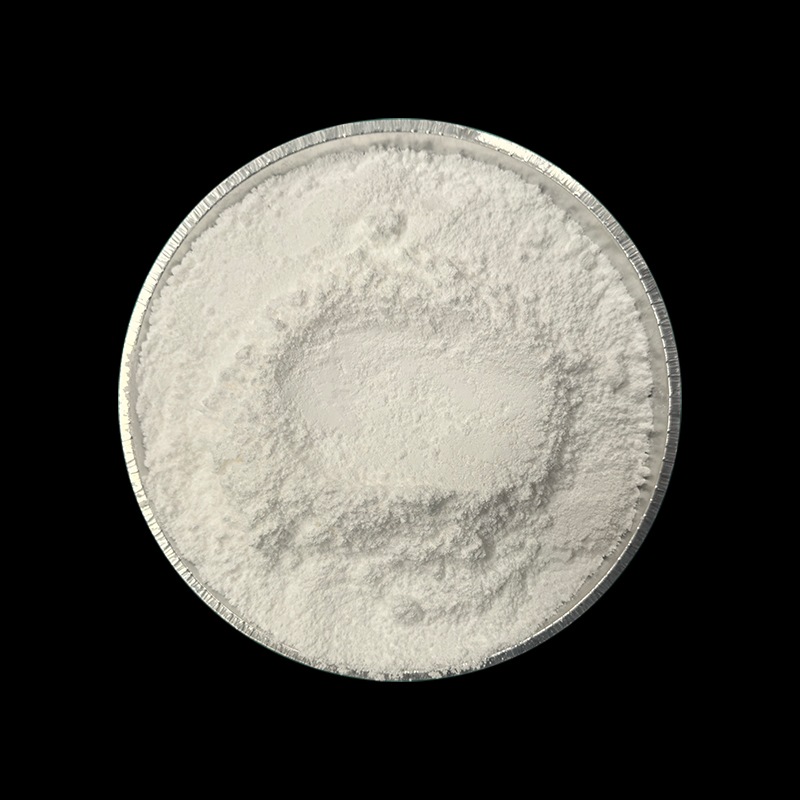
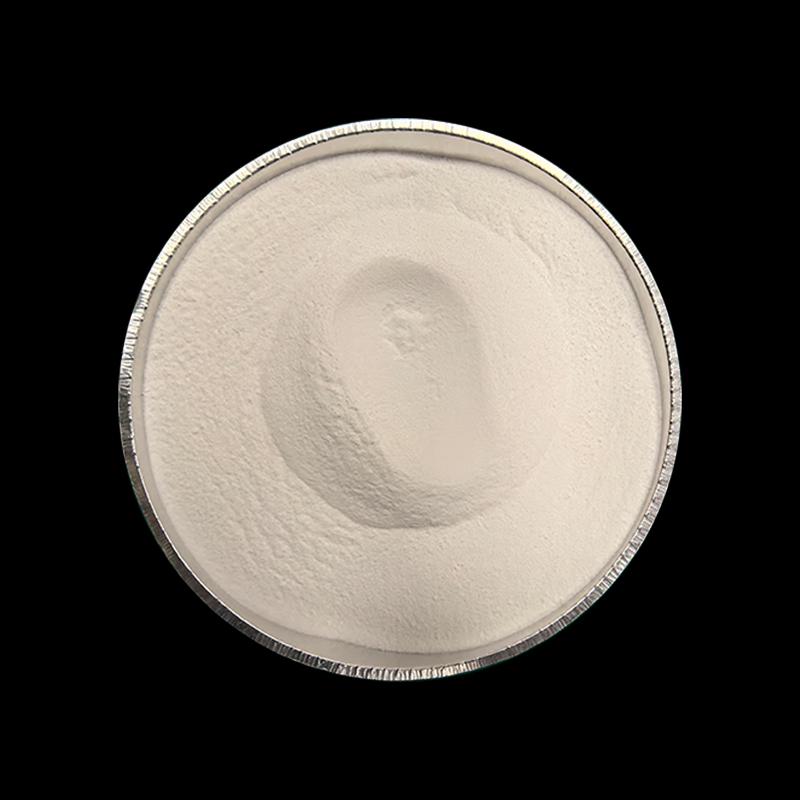
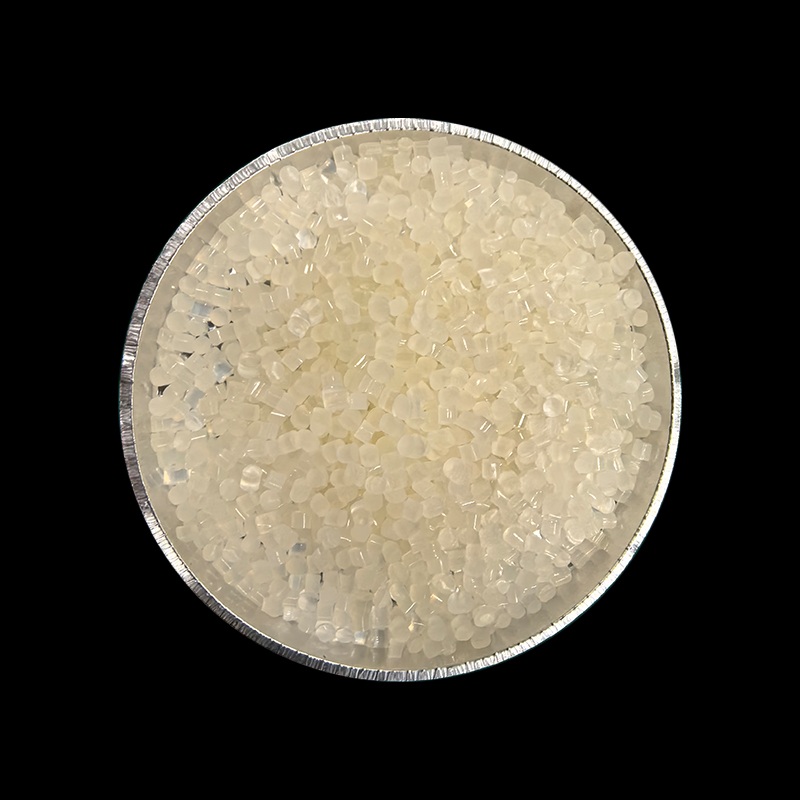
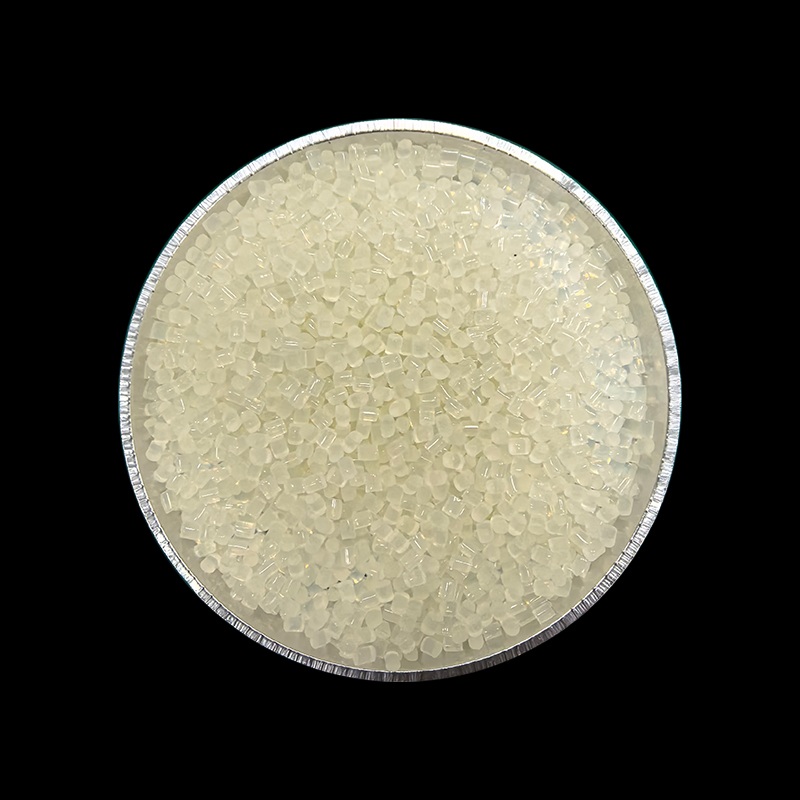
BAITONG New Materials adopts a “system engineering” approach built around powder additives –
combining chain extenders, nucleating agents, toughening agents and anti-hydrolysis agents
to upgrade PET from a packaging resin into a viable structural material for demanding applications.
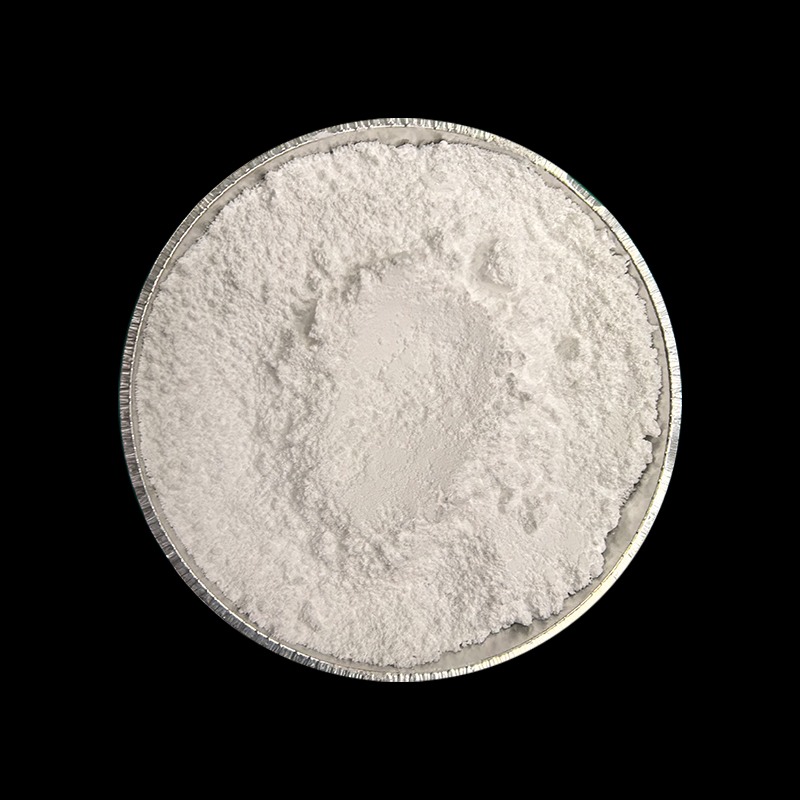
1. Foundation of System Stability: Chain Extender BTCE‑9013 (Powder)
During high-temperature melt processing, PET chains tend to degrade, causing a drop in intrinsic viscosity (IV) and melt viscosity.
This directly affects glass fiber wet-out and final part properties.
BTCE‑9013 functions as a “stabilizer” and molecular repair agent in the formulation:
• In GF-PET systems: effectively suppresses viscosity loss caused by thermal degradation, ensuring a stable processing window
and reliable fiber wet-out;
• In FR-PET formulations: counteracts additional degradation risks introduced by flame-retardant packages at elevated temperatures;
• Promotes uniform filler dispersion and improves surface gloss and appearance consistency.
Typical PET IV values range from 0.70 to 0.85 dL/g. A well-designed chain extension strategy helps strike a better balance
between processability and performance.
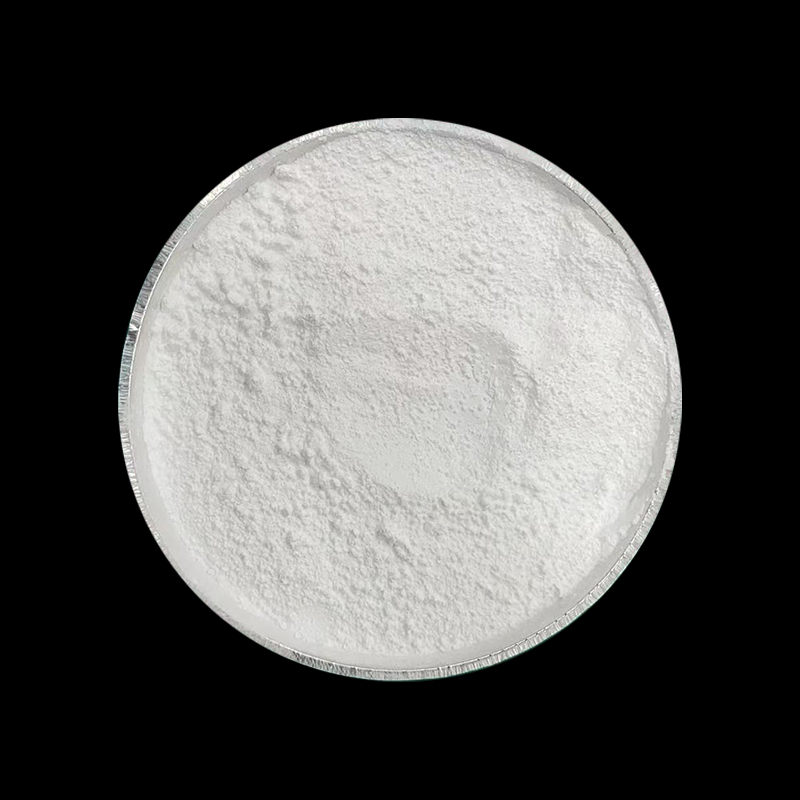
2. Key to Heat Resistance: Nucleating Agent (Powder)
Heat resistance is a non-negotiable requirement in engineering applications.
An efficient nucleating agent enhances PET crystallization from the inside out:
• Significantly increases crystallinity and crystallization rate, leading to more complete and uniform crystals;
• Raises heat deflection temperature (HDT) to around 200–220°C, meeting the stringent demands of electrical and automotive parts;
• Improves dimensional stability and reduces shrinkage and warpage during molding.
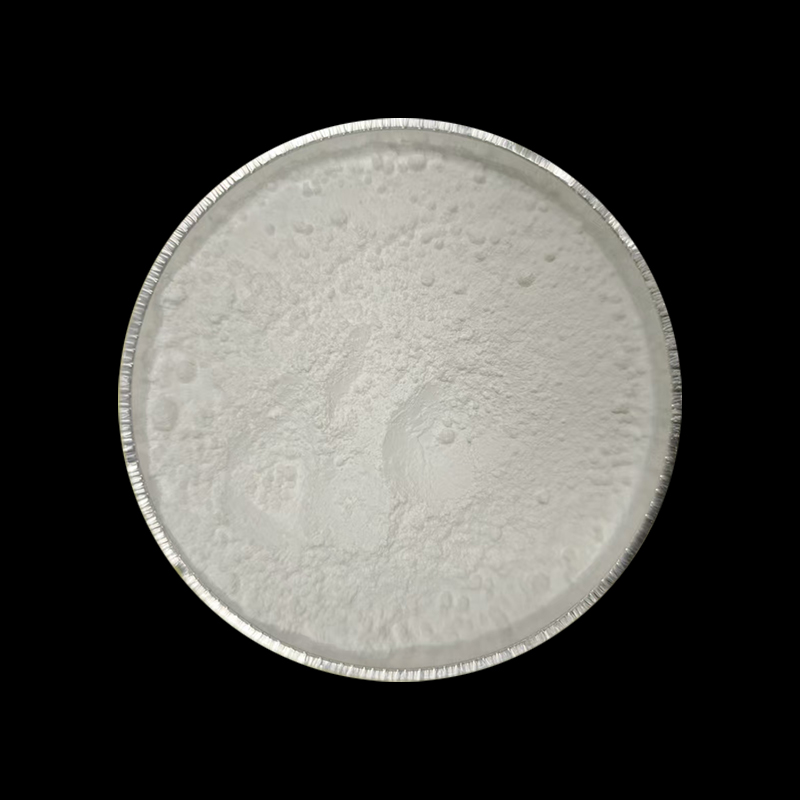
3. Core of Toughness Balance: Toughening Agent (Powder)
Glass fiber reinforcement boosts stiffness and strength, but often at the cost of brittleness.
BAITONG’s dedicated toughening agent uses interfacial modification and energy-absorption mechanisms
to achieve a balanced stiffness–toughness profile:
• Effectively mitigates brittle fracture in GF-PET;
• Delivers a 3–5× increase in notched impact strength, significantly widening the safety margin;
• Maintains high modulus while providing improved toughness, making the material suitable for structural and impact-resistant parts.
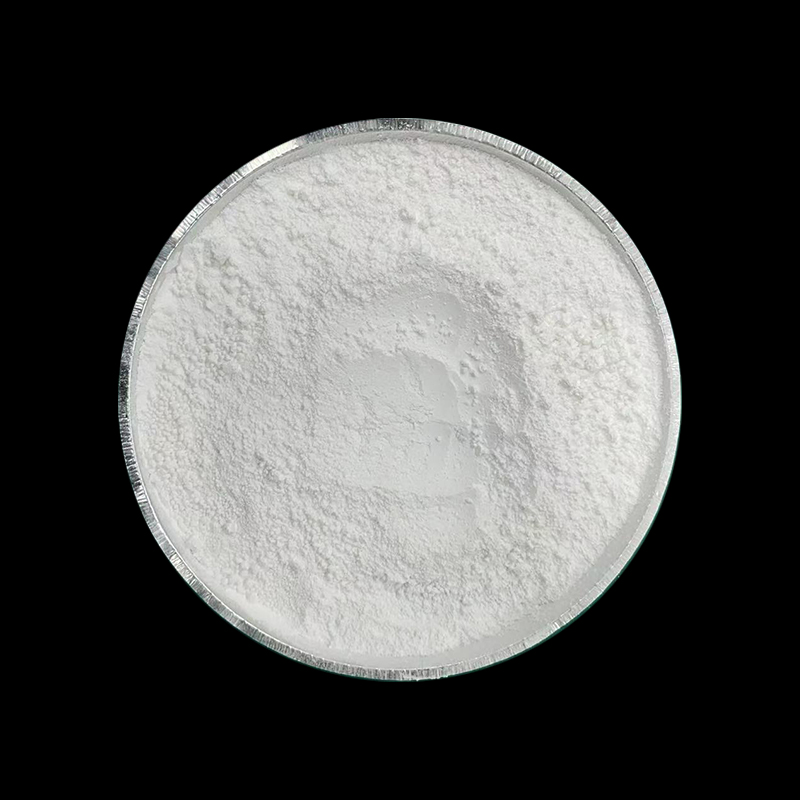
4. Ensuring Long-Term Reliability: Anti-Hydrolysis Agent (Powder)
In automotive engine compartments, outdoor exposure or long-term humid environments, PET and its copolymers are prone to hydrolysis,
gradually shortening the chain length and degrading performance over time.
BAITONG’s anti-hydrolysis agent captures reactive species and passivates vulnerable end groups, providing molecular-level protection:
• Greatly slows down property loss under hot and humid conditions;
• Allows the material to maintain higher strength and toughness in damp-heat aging tests;
• Extends part lifetime by around 2–3× in typical engineering applications.
5. From Packaging to Engineering: A New Role for PET
When chain extenders, nucleating agents, toughening agents and anti-hydrolysis additives are combined into a coherent system,
PET evolves from a conventional packaging resin into an engineering material capable of meeting high heat, high strength
and high reliability demands.
BAITONG is committed to working with partners across the value chain to unlock more engineering applications for PET.

 Call Us +86 18013880269
 Email Us trb@njbaitong.cn



 +86 18013880269
 trb@njbaitong.cn
 Nanjing Baitong New Material Co., Ltd.
 IPv6 network supported
Blog
| Sitemap
| XML
| Privacy Policy
IPv6 network supported
Blog
| Sitemap
| XML
| Privacy Policy